Documents
Excerpt from "Ma Lisette", recorded in 1908
Click to discover the Emma Calvé Unknown Superior document.
Photos
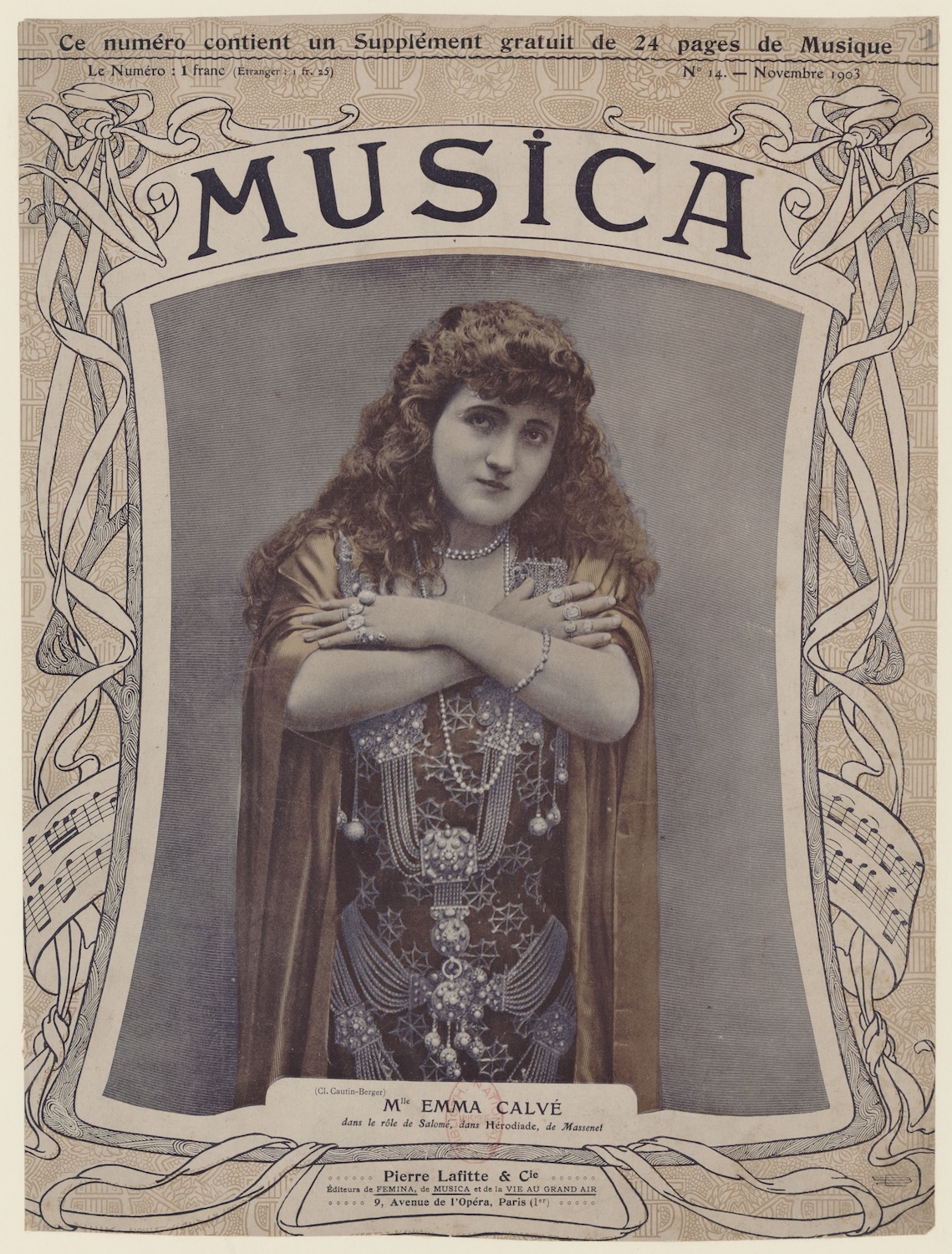
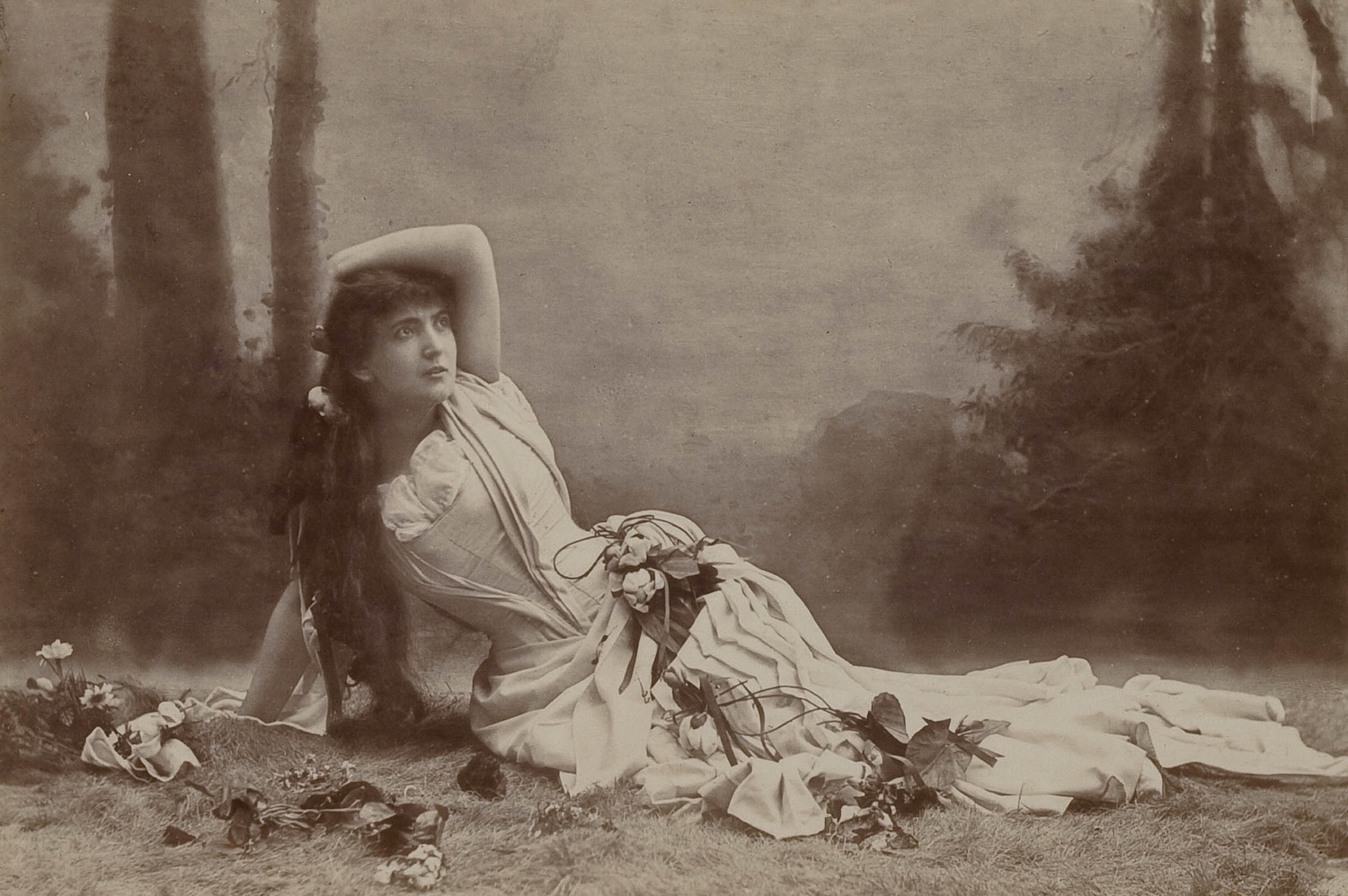
Summary
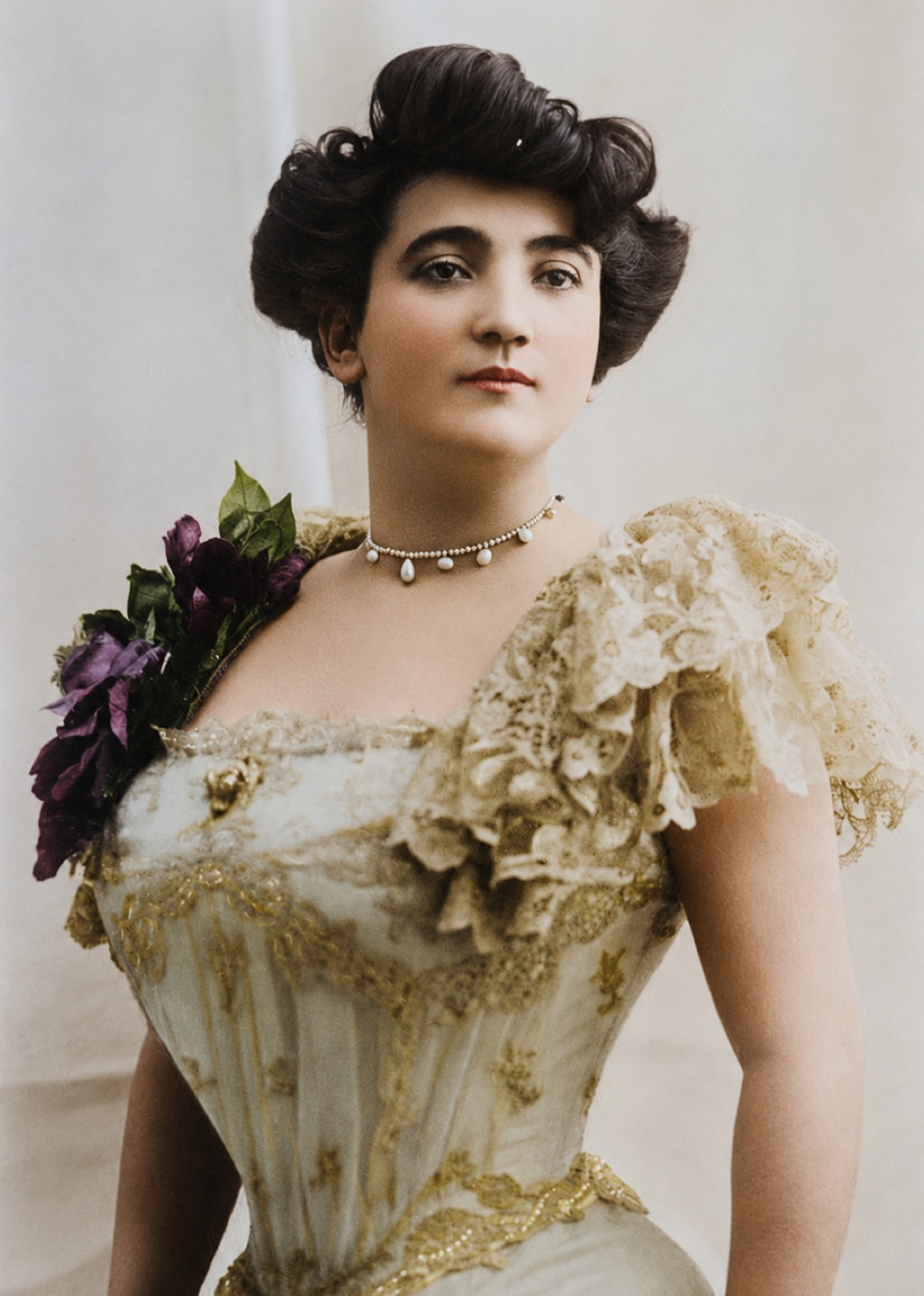
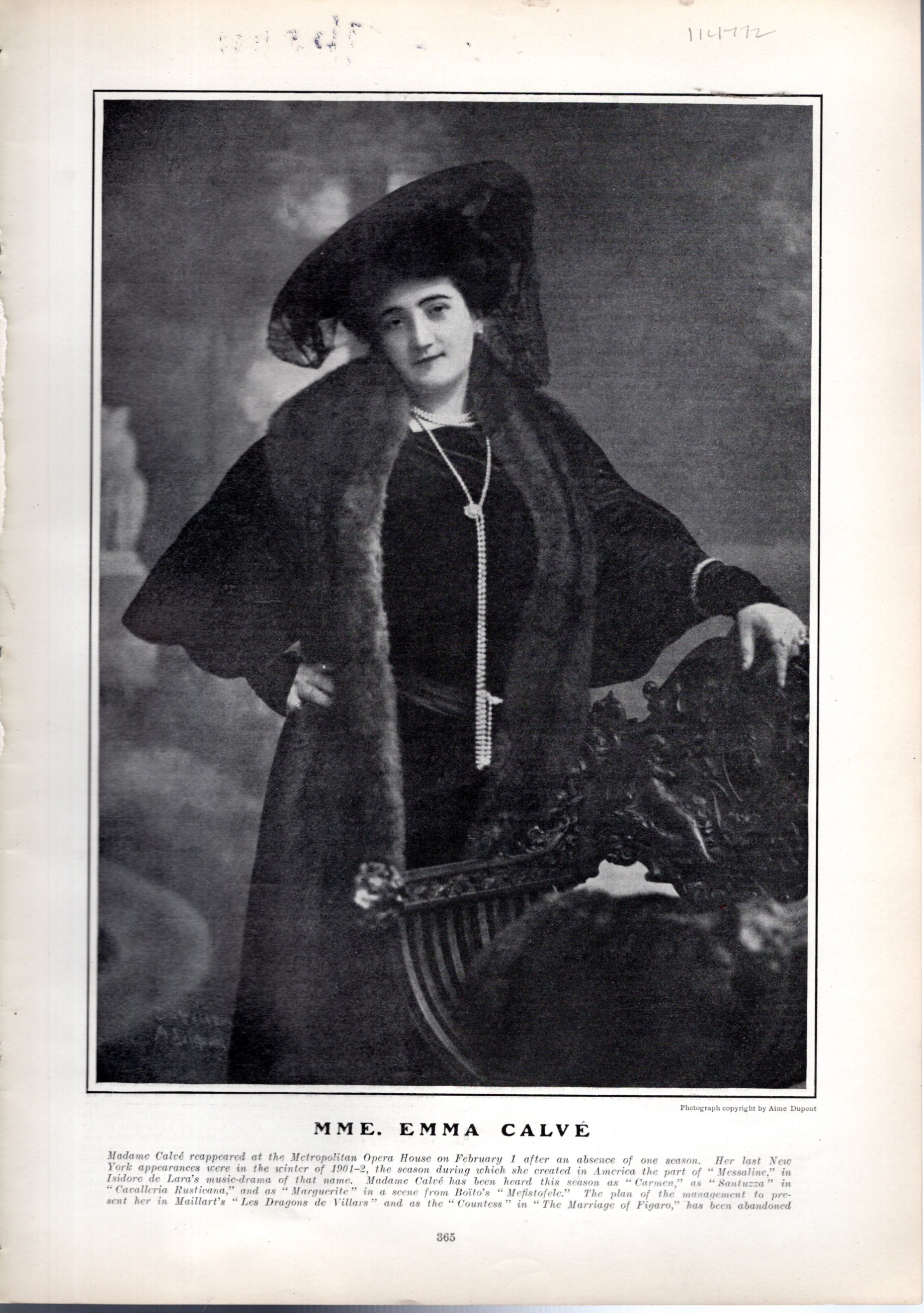
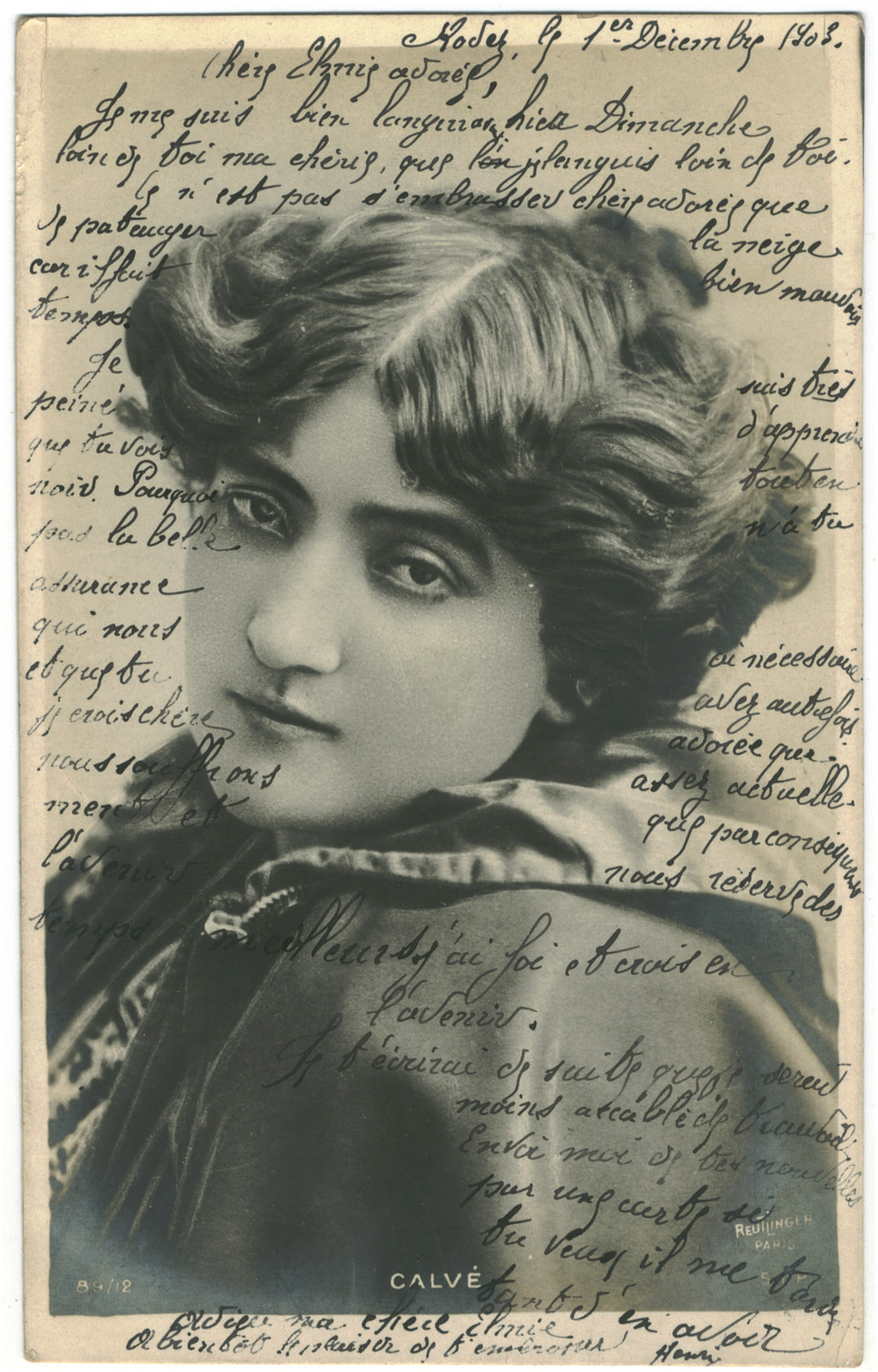
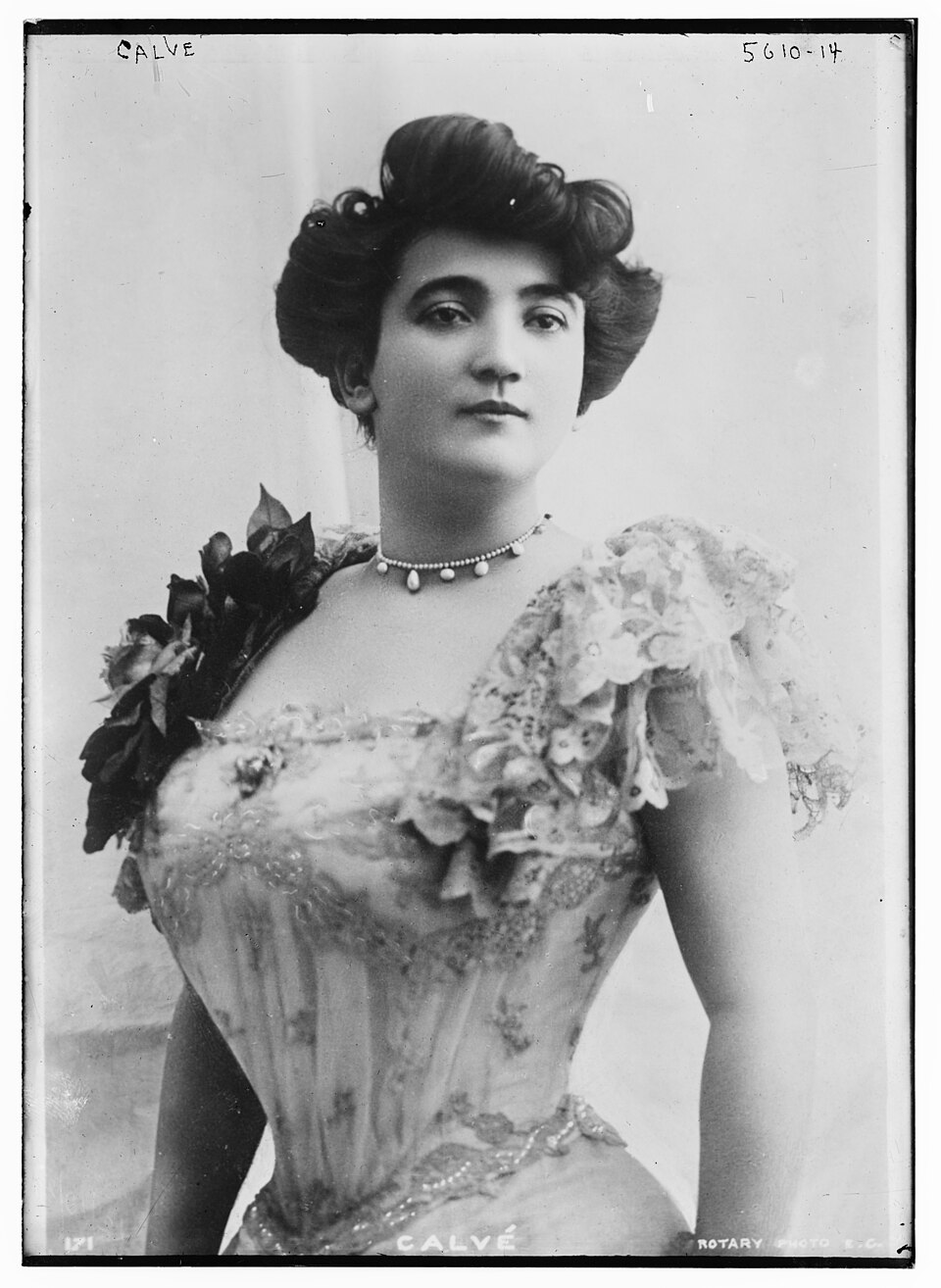
Emma Calvé (1858–1942), real name Rosa Noémie Emma Calvet, was one of the greatest French opera singers of the Belle Époque.
Born in Decazeville, in the Aveyron, she went on to enjoy a brilliant international career after making her debut in Brussels in 1882. She performed on the world's greatest stages, including La Scala in Milan, the Royal Opera House in London, and the Metropolitan Opera in New York.
Renowned for her powerful voice and exceptional dramatic talent, she remains best known for her interpretation of Carmen by Georges Bizet, a role she sang more than a thousand times. She also inspired several composers, including Jules Massenet.
After retiring from the stage in the 1920s, Emma Calvé devoted herself to teaching singing and published her memoirs. She died in 1942, leaving a lasting mark on the history of French opera.
Biography
Rosa Emma Calvet, born in Decazeville in 1858 and died in Millau in 1942.
A soprano of very great talent and great fame, she distinguished herself in particular in Carmen.
She was known for having a dynamic personality.
In 1894, she bought the Château de Cabrières near Millau.
A devotee of Hinduism and occultism, she was often seen frequenting the Chat Noir cabaret in Paris in the company of Mucha, Papus, Camille Flammarion...
Link with Rennes-le-Château
What the authors say
Some authors have attributed to Emma Calvé an affair with Abbé Bérenger Saunière. The story appears in the literature devoted to the affair from the 1960s onward, and is then repeated from book to book without ever gaining any substance. According to these accounts, the singer supposedly visited Rennes-le-Château, funded the priest's building works, and, in some versions, introduced him to Parisian occultist circles.
What the documents show
Nothing tangible. The only physical item is a photograph of Emma Calvé from a Poulain chocolate bar, pasted into one of Saunière's notebooks — among other images from the same series. In other words, a collectible card, not a dedication.
Emma Calvé published her memoirs in 1940. In them, she recounts her career, her travels, her acquaintances, and her Château de Cabrières. She never once mentions Rennes-le-Château or Abbé Saunière. At a time in her life when she had nothing left to lose by speaking out, that silence carries real weight.
Where the connection comes from
It comes down to two coincidences. The first is geographical: Emma Calvé was from the Aveyron, and bought the Château de Cabrières in 1894, about a hundred kilometres from the Razès. The second is thematic: her involvement with Parisian occultist circles — the Chat Noir, Papus, the Martinist circles — provides fertile ground for anyone looking to link Saunière to a fashionable, salon-style esotericism.
It is in this context that the document dated 11 November 1892, signed at the Chat Noir, comes in — it bears Emma Calvé's name alongside those of the Martinist circle. This document, which we present in detail, attests to her Parisian social circle. It says nothing about Rennes-le-Château.
In summary
Emma Calvé has her place on this site because her name comes up constantly in the literature on the affair — not because any link with Abbé Saunière has been established. Distinguishing between the two is the very least that is required.
Sources
- Encyclopædia Universalis – Emma Calvé : biographie détaillée, carrière, rôles créés, formation et fin de carrière.
- Larousse – Emma Calvé : notice biographique synthétique, mettant en avant son interprétation de Carmen et sa collaboration avec Jules Massenet.
- Musées Occitanie – Emma Calvé, la cantatrice internationale de la Belle Époque : informations sur sa carrière internationale et son attachement à l’Aveyron.
- Musée d'Orsay – Emma Calvé : notice d’identification et références documentaires.