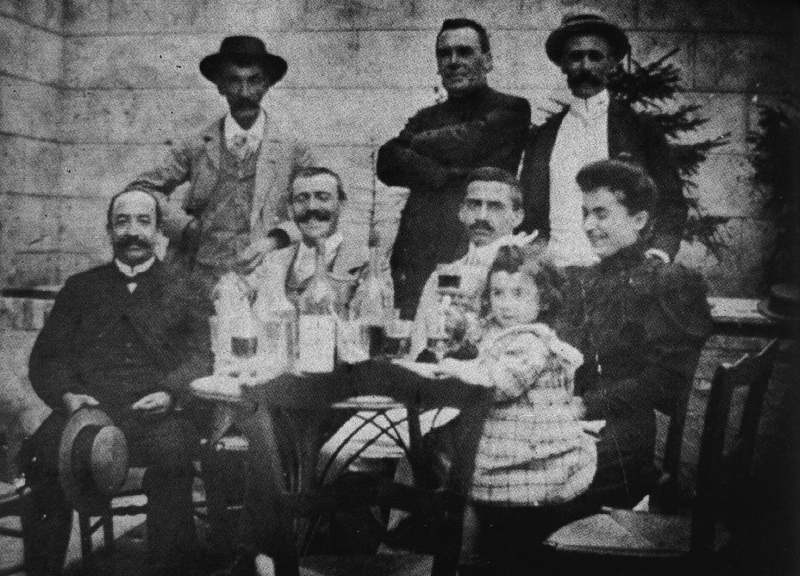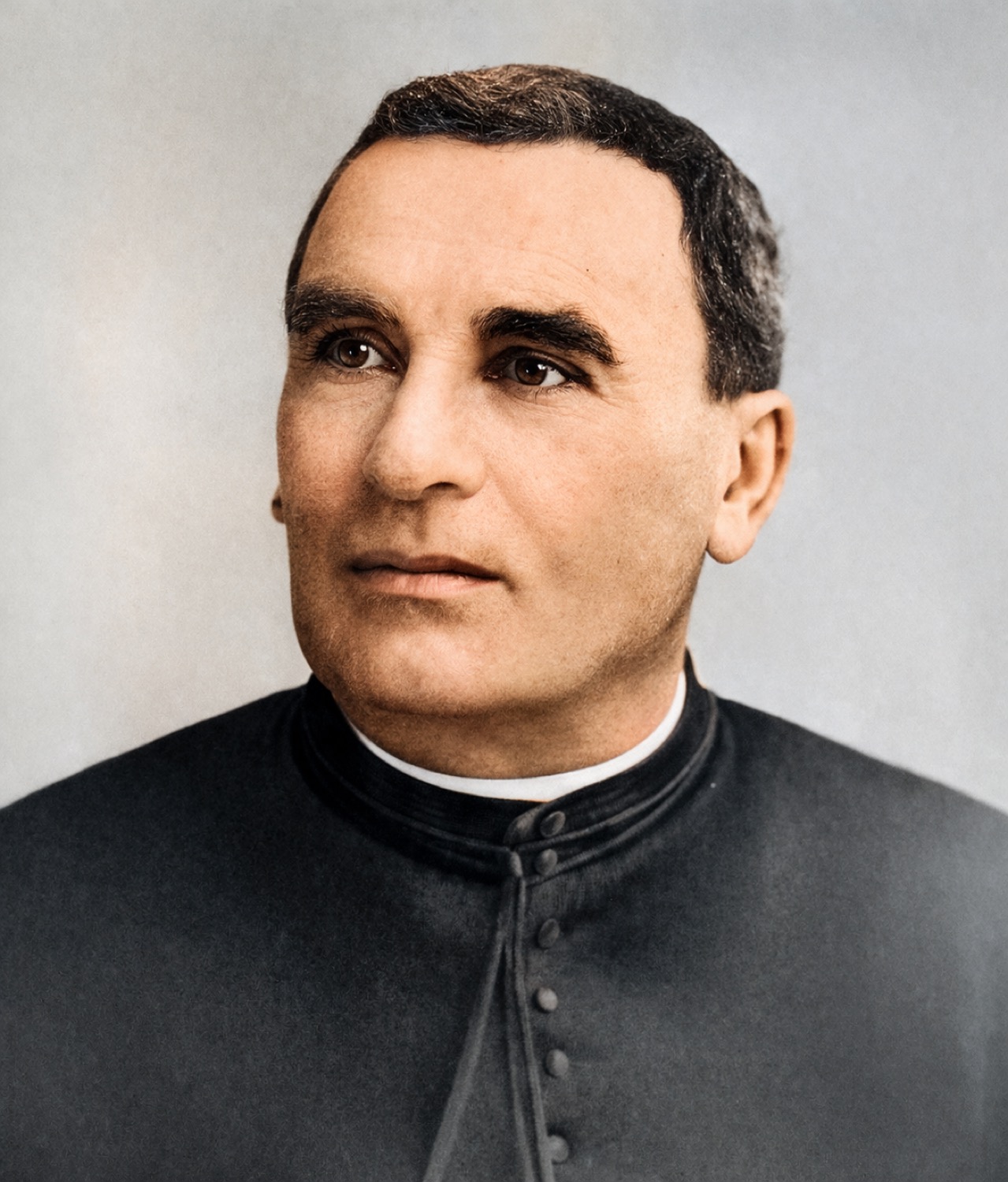
His appointment to Rennes-le-Château
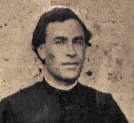
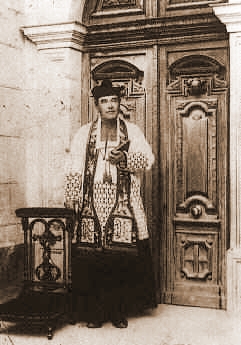
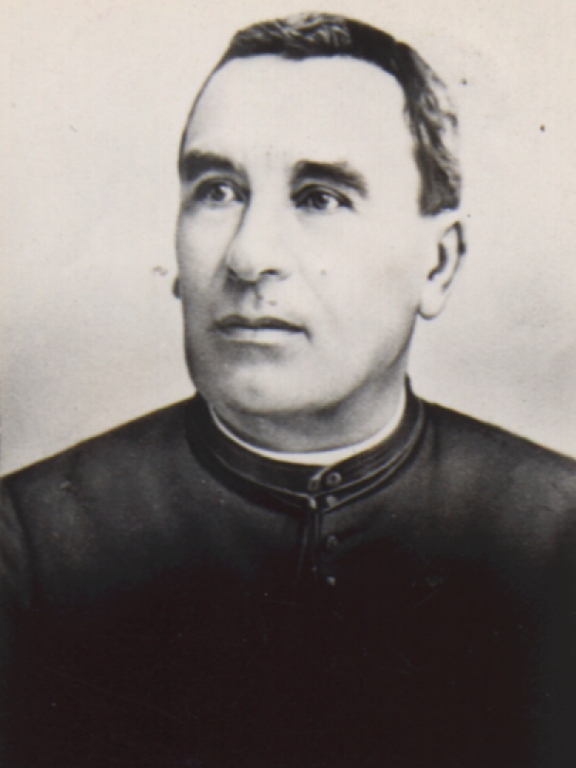
Bérenger was insolent by nature, independent, uncompromising, rebellious toward the church hierarchy, of athletic build, with a piercing gaze. He attended school at St Louis in Limoux. He entered the major seminary of Carcassonne in 1874. He was ordained a priest in June 1879, served as vicar of Alet from 16 July 1879 to 1882, then as parish priest of the deanery of Le Clat (282 inhabitants) from 16 June 1882 to 1885. He taught at the seminary of Narbonne, but following disciplinary issues with his superiors, he was demoted and appointed to Rennes-le-Château (298 inhabitants) on 1 June 1885. He was openly anti-republican and was forced by the prefecture to leave his parish from 1 December 1885 to July 1886 in order to teach again at the Narbonne seminary. Under pressure from the town council, the prefect reversed his decision. In May 1890, in addition to Rennes, he was also responsible for the parish of Antugnac, where he celebrated Mass every Sunday. He was a keen player of the lottery (the Artists' Retirement Home Lottery...).
Bérenger Saunière's origins
Bérenger Saunière was born on 11 April 1852 in Montazels. He was the eldest of a large family.
Son of Marie Marguerite Hugues (d. 1909) and Joseph Saunière (born in Montazels in 1823, d. circa 1895), known as "Cubié," who was mayor of Montazels. He managed the flour mill and was steward of the château first for the Marquis de Cazermajou, then for Monsieur de Bourzès. Joseph and Marie (it's not made up) married in January 1850 in Montazels.
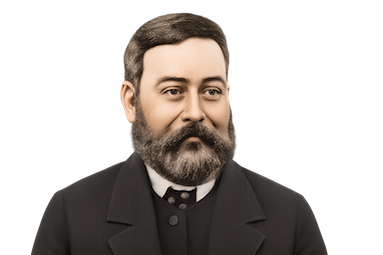
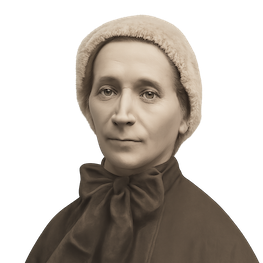
On his marriage certificate, Joseph Saunière is listed as "Treasurer of the Church Fabric of Montazels."
On Bérenger's birth certificate, he is listed as "Property owner in Montazels."
On Alfred's birth certificate, he is listed as "Mayor and property owner in Montazels."
On Rosalie's birth certificate, he is listed as "Farmer."
On Barthélémy's birth certificate, he is listed as "Property owner and steward of the château."
On Louise's birth certificate, he is listed as "Mayor and property owner of Montazels."
Brothers and sisters :
- François Fulgence (1850-V1850)
- François Bérenger (1852-V1917)
- Jean, Marie, Alfred (1855-V1905)
- Rosalie Marie Thérèse (1858-V1858)
- Victor Barthélémy (1859-V1860)
- Bathilde, Jospéhine (1861-V?) épouse Oscar Pagès
- Martial Silvestre (1863-V?)
- Rose Marie Adeline (1867-V?) épouse Sylvestre (Bérenger sera son parrain)
- Martial Silvestre (1863-V?)
- Rose Marie Adeline (1867-V?) épouse Sylvestre (Bérenger sera son parrain)
- Léonie Marie Anna (1870-V1870)
- Joseph, Marie, Daniel (1872-V1895) Décèdera pendant ses études de médecine
- Louise Thérèse (1878-V?) épouse Marty
The renovation of the Sainte-Marie-Madeleine church
From the moment he arrived in Rennes-le-Château in 1885, Bérenger Saunière noted the poor state of the parish church of Sainte-Marie-Madeleine, most of which dated back to the 11th and 12th centuries. The building suffered from significant deterioration and was in urgent need of restoration.
Starting in 1887, the parish priest undertook a major renovation campaign. The roof was redone, the walls reinforced, the choir restored, and new stained-glass windows installed. Saunière also commissioned a particularly rich interior decoration: murals, a polychrome Stations of the Cross, statues, altars and liturgical furnishings all contributed to profoundly transforming the church.
Several features quickly caught visitors' attention, notably the holy water font supported by a depiction of the demon Asmodeus, the Latin inscriptions, the religious symbols and the many iconographic references adorning the building. While some see coded or esoteric messages in them, historians point out that most of these decorations fit within the artistic revival of religious art at the end of the 19th century and reflect Abbé Saunière's personal taste.
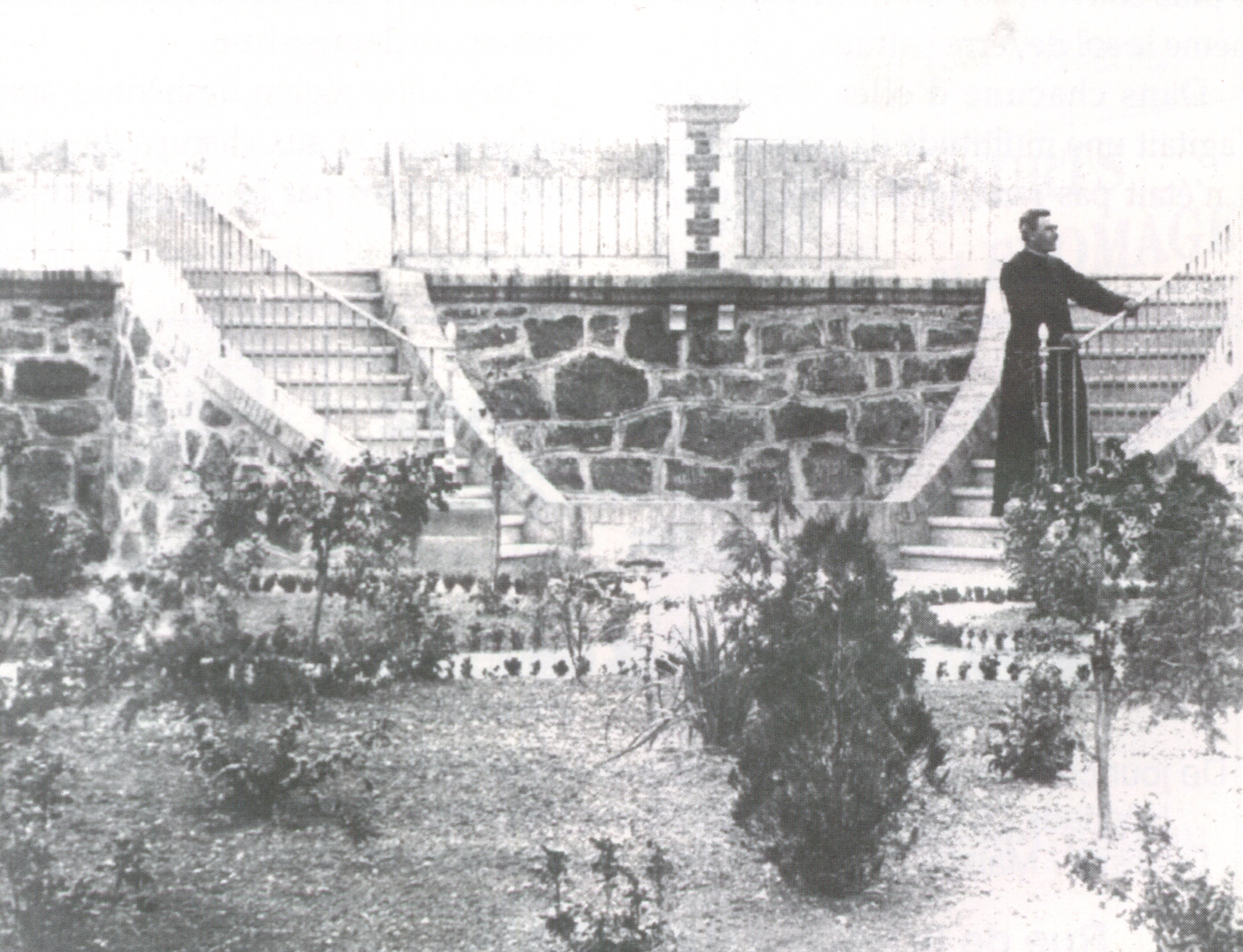
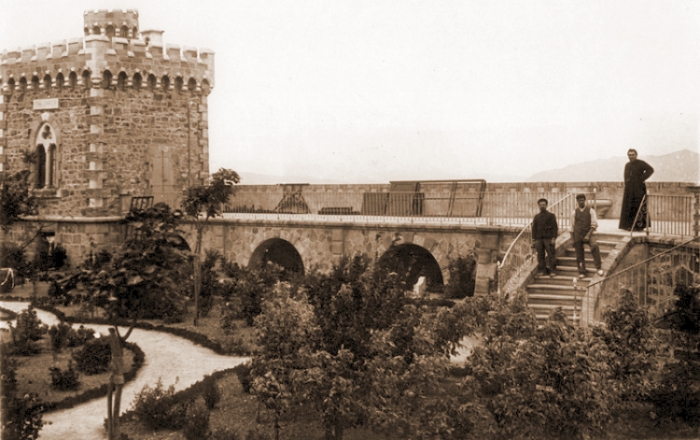
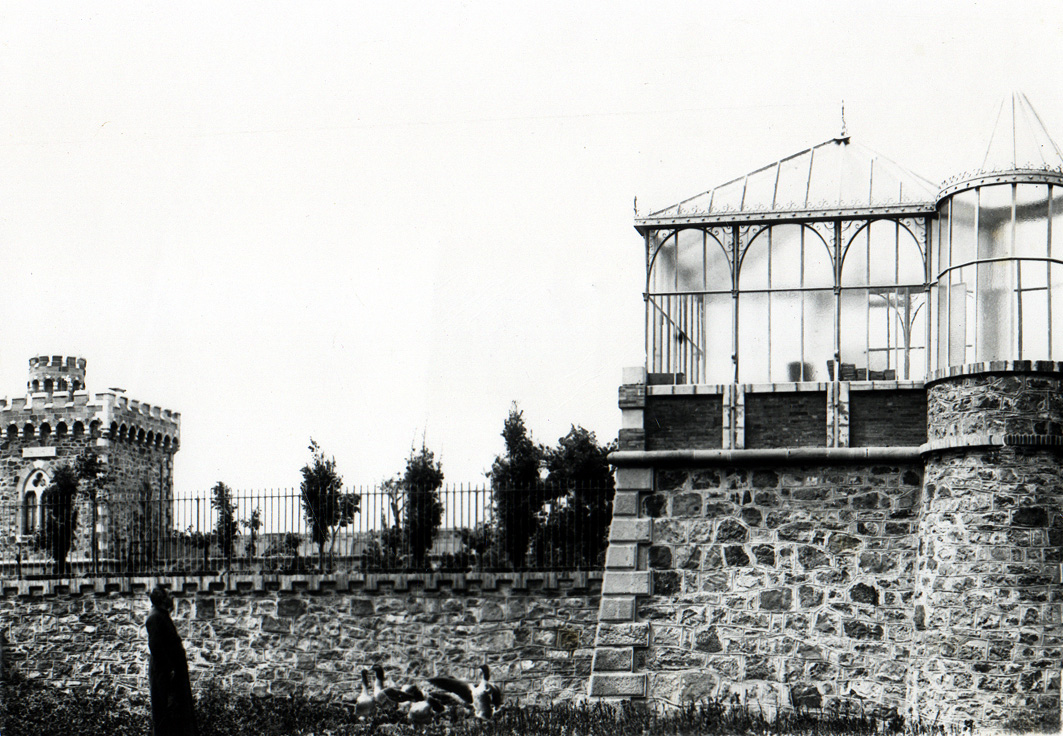
This work marked the beginning of a period of profound transformation that would continue with the development of Saunière's estate, including the Villa Béthania, the Tour Magdala and the gardens.
Abbé Saunière's enrichment
The origin of Bérenger Saunière's wealth is one of the most famous aspects of the Rennes-le-Château affair . From the 1890s onward, the parish priest had financial resources allowing him to restore his church, acquire several plots of land, and build a vast estate comprising the Villa Béthania, the Tour Magdala, the Orangery and magnificent gardens.
This sudden wealth very quickly raised questions and rumours. After his death, several authors put forward the hypothesis that he had discovered a treasure, ancient parchments, or a historical secret that had brought him immense riches. These theories, widely popularised from the 1960s onward, are the origin of Rennes-le-Château's worldwide fame.
Historical research carried out over several decades, however, offers a better-documented explanation. Church archives and accounting records show that Bérenger Saunière received substantial sums of money through the celebration of Masses requested by the faithful from all over France. This practice, which became excessive, led to him being prosecuted by his bishop for trafficking in Mass intentions. Suspended from his priestly duties in 1911, he nevertheless continued to live in Rennes-le-Château until his death in 1917.
While the archives now allow us to better understand part of his income, they do not explain with absolute certainty all of the expenses he incurred during his lifetime. This element of uncertainty continues to fuel debate among historians and specialist authors, making Bérenger Saunière's enrichment one of the main mysteries associated with Rennes-le-Château.
His relationship with Marie Dénarnaud
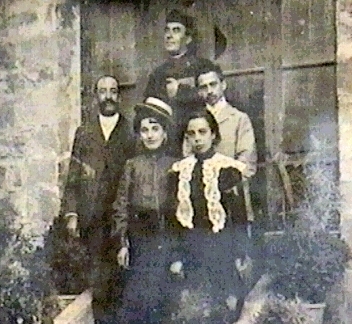
His relationship with Marie Dénarnaud was highly ambiguous. He lived with the Dénarnaud family at the presbytery. He got along very poorly with her mother, which led him to live in the building he had built near the cemetery, which would later become the "reposoir."
One can read in his diary:
19/04/1892 – returned from Carcassonne – drama in the evening – Marie goes home
22/04/1892 – fine weather – Marie continues to bring me my meals.